Belonging and Loneliness: Finding Inner Peace and Connection
We are wired to connect. From birth, our bodies and hearts seek closeness, safety, and the comfort of being “with.” Belonging isn’t just a nice feeling—it’s essential for nervous system balance, emotional resilience, and a grounded sense of self.
And yet, so many of us live with a quiet ache of loneliness. It doesn’t always show up as being physically alone. You can feel lonely in a crowded room, or even among family. Often, loneliness comes from disconnection, being cut off from your own inner sense of self, and from relationships or communities that reflect who you are... or were.
The subtle forms of loneliness
Loneliness wears many masks. You might notice it as:
Disconnection from self: second‑guessing decisions, struggling to trust your inner voice, or feeling like you’ve lost touch with who you are.
Disconnection from others: not feeling “at home” in social groups, workplaces, or even your family.
Cultural in‑between: if you’ve lived across cultures or grown up between worlds, you may feel “too much of one, not enough of another.”
Life transitions: moving house, changing jobs, ending relationships, or even becoming a parent or carer can stir up feelings of being unmoored.
Loneliness can also feel heavy in the body: tightness in the chest, shallow breathing, or a restless energy that doesn’t ease.
Why belonging feels hard
When belonging feels uncertain early in life, or through repeated transitions, we may learn to adapt by detaching, keeping our needs hidden, or staying “small” to avoid rejection. Over time, this can leave us feeling unseen, unsupported, or always “on the outside.”
But disconnection doesn’t mean you’re broken. It means your system got creative in finding ways to cope. What once helped you stay safe may now block the deeper peace and connection you long for.
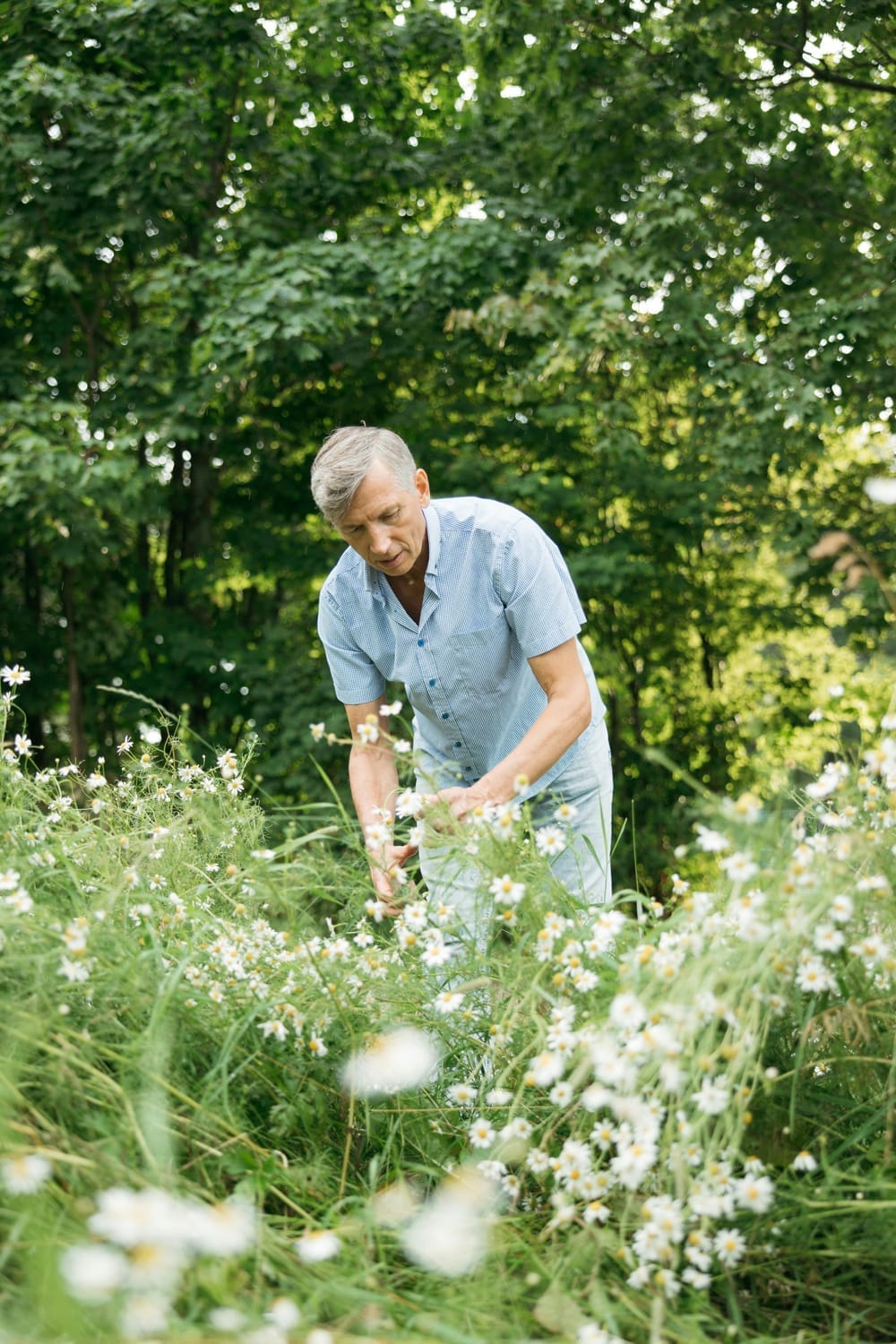
Research shows that being in forests, near water, or even simply sitting under a tree reduces stress hormones.
Inner and outer pathways to belonging
Belonging begins inside, then moves outward. It’s about returning to yourself, and then reaching for nurturing connections—both with people and with the wider living world.
Here are a few gentle ways to start:
Pause and notice your inner experience
Take a few slower breaths and ask;
What part of me feels lonely right now?
What is it protecting me from?
Even that simple noticing brings you closer to yourself.Spend time in green spaces
Research shows that being in forests, near water, or even simply sitting under a tree reduces stress hormones, lowers blood pressure, and restores mental clarity. Your brain interprets the presence of trees, birds, and gentle living beings as “safe tribe”, a form of belonging beyond words.Balance closeness and space
True belonging isn’t about merging or losing yourself. It’s about holding on to your authentic self while staying in connection, with people, with communities, with nature.Seek safe co‑regulation
Your nervous system is shaped in relationship. Sometimes that’s with a trusted person, at other times it’s with the environment around you: watching waves, caring for a plant, stroking a pet.
Each moment signals your body: I am not alone.
Why this matters now
Ignoring loneliness doesn’t make it vanish, it burrows deeper. Disconnection can fuel anxiety, burnout, and feelings of emptiness. But reconnection, whether with trusted people, safe communities, or the living presence of nature, grounds your nervous system, fosters inner peace, and helps you feel anchored in who you are.
Belonging doesn’t mean changing yourself to fit in.
It means finding the conditions where your whole self feels welcome, and remembering that nature itself offers an unconditional belonging you can lean into daily.
SHARE


Stay Connected with Inner Compass
Actualisation doesn't happen all at once. It unfolds through moments of awareness, reflection, and practice.
Subscribe to receive insights, practical tools, updates on the Inner Compass developments. Whether you're exploring your next step or looking for inspiration along the way, you'll receive supportive content designed to meet you where you're at.
Created with ©systeme.io• Privacy policy • Terms of service